Having your car stolen can leave you with a lot of questions.
Fortunately, there is one thing for certain that you can count on: ERIE’s support. If you have comprehensive coverage on your ERIE auto policy, you’re covered should someone steal your ride.
Read on to learn more about how ERIE can provide protection should your car be stolen.
Does insurance cover stolen cars?
Similar to hail damage or vandalism, car theft is considered a non-collision event. That means comprehensive insurance can help cover the cost of your stolen car — whether or not it's recovered – minus your deductible.1
Stolen vehicle claims are treated similarly to a total loss from an auto accident. Comprehensive insurance can provide protection up to the actual cash value of your vehicle, which represents your car’s current, depreciated market value — not the price you paid for it.
Unlike auto liability coverage, comprehensive coverage is optional if you own your vehicle outright. If you have a loan on your car, chances are your lender requires collision and comprehensive insurance. But regardless of whether or not it’s required by your lender, comprehensive coverage is the best way to ensure you’ll be protected in the event your car is stolen.
What about my items inside the car?
Your items may be covered by the personal property coverage in your homeowners or renters policy. Even when it’s away from your home, personal property coverage protects personal belongings such as clothes and electronics. Theft is usually included as a listed peril. Coverage limits apply and you must usually pay a deductible.
Additionally, ERIE offers personal item coverage as part of a standard auto policy. This coverage pays for personal effects such as clothing, luggage or other belongings totaling up to $350 if the vehicle is stolen. No deductible applies.2
What if I’m financing my car?
If you still owe money on your car when it is stolen, your payout could potentially be less than what you owe. Since the cash you receive for a stolen car is based on its actual cash value – not the amount you have left on your car loan – your car’s value could theoretically depreciate faster than what you’ve paid off. For example, if your car’s actual cash value at the time it is stolen is $15,000 but you still owe $17,000, you could be on the hook for the difference.
That’s where ERIE’s Auto Security Coverage Endorsement3 can help, by making up the difference between your insurance settlement and the remaining loan principal. Ask your local agent for details and availability in your state.
What happens if my car is recovered?
It’s important that you promptly report the theft to the police and to ERIE. If your car is found, a claims adjuster will assess the damage and determine the cost of repairing it. If it’s deemed a total loss, you’ll receive the actual cash value of your car minus your deductible.
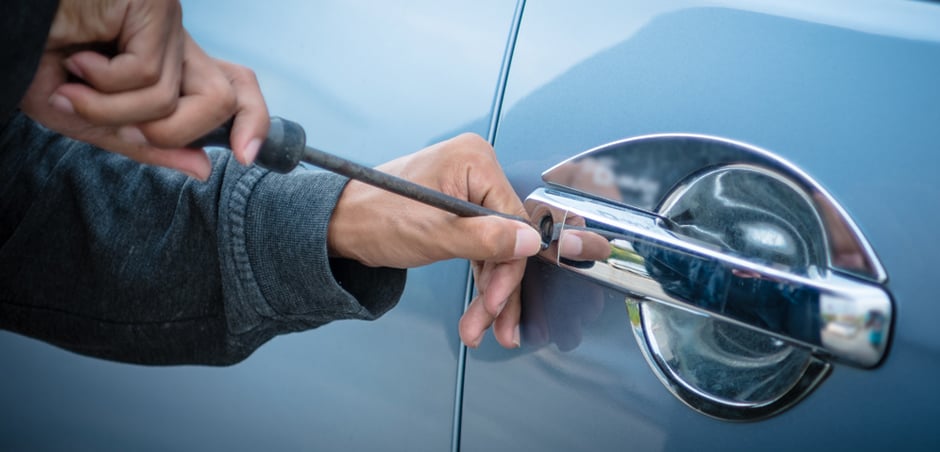
What if My Car Is Broken Into?
Vehicle damage resulting from theft, whether the car is stolen or broken into, is covered by comprehensive insurance, minus your deductible. Additionally, acts of vandalism, such as when your car is keyed, also fall under comprehensive coverage.
Am I covered for a rental car?
Rental car coverage can help pay for a rental car while you don’t have access to yours after a covered loss. But you should always ask your agent how many days a rental will be covered under your policy.
If you’re an ERIE customer, our comprehensive coverage includes basic rental car coverage for covered losses such as car theft. Basic rental coverage provides a compact sedan rental car, and a larger vehicle can be selected if you purchase additional coverage.
This coverage varies by state, so ask your insurance agent about rental car coverage before you’re in a situation where you need it. In most states, you’re covered for a rental for up to 45 days.4 Learn more about auto insurance and car rentals.
How to prevent car theft
Any way you look at it, dealing with a stolen vehicle is a major hassle. Wouldn't it be easier to avoid the headaches in the first place?
More often than not, car thieves are looking for easy targets. So the more deterrents you put between them and your car, the more likely they are to avoid the risk.
Here a few quick tips to help keep criminals at bay:
- Protect your keys. Many thefts happen because of driver error, like leaving your keys in the car. Thousands of vehicles are stolen with the owner's keys each year, so it’s more common than one might think. Never leave your keys in the vehicle. And remember to store them out of sight whenever possible.
- Lock it up. When it comes to car theft, half the battle is getting inside. And an unlocked car gives criminals easy entry to the driver’s seat. Every time you reach your destination, roll up the windows, shut off the engine and lock the door. That way, if a criminal does target your car, they’ll have to work harder to take it for a spin.
- Buy a car alarm. A blaring car alarm is usually enough to raise suspicion, especially if the person in the front seat is struggling to turn it off. Install an alarm to draw attention to your car when it’s broken into. As a bonus, anti-theft devices like a car alarm may also lower your insurance rate.
- Park carefully. A dark, non-secure area is perfect cover for car thieves. If you park on the street or in a parking lot, choose a well-lit spot to make suspects easily visible. Park in a garage if possible to help protect your car from the dangers outside.
- Utilize anti-theft devices. Invest in a system that keeps your car from starting or the wheel from turning, such as immobilizers, wheel locks and fuse cut-offs. Some are more expensive than others, but most criminals won’t waste time figuring out how to steal the car and risk getting caught.
- Hide your valuables. Sometimes cars are targeted not because of how nice the vehicle is, but because of what’s inside. If you have anything of value in your car, always keep it out of sight.
What to do if your car is stolen
Although you can reduce the chances of car theft immensely, there’s always a chance your vehicle could be stolen. Here’s what to do when you find an empty spot where you parked your car:
- Contact the police. Upon discovering your vehicle has been stolen, call the police immediately. Tell them everything you can about your car, from the make and model to the vehicle identification number (VIN) and any identifying features, like bumper stickers. Make sure your response is honest and detailed.
- Call your local ERIE agent. Your agent is here to help after something unexpected happens. He or she can also talk you through the process of filing an insurance claim. When filing a claim, it helps to have as much information to share as possible, such as where your vehicle was stolen and where any spare keys are kept. You should also provide your leasing or financing company’s contact information and a copy of the police report.
- Call your lender. If your car isn’t paid off, contact your leasing or financing company. Once the claim has been processed, your insurance company will pay the lender directly. Ask your lender to contact your insurer if there’s any confusion.
Not Sure if You’re Covered? Talk to an ERIE Agent
At ERIE, our commitment to you extends beyond your auto policy. Your protection means restoring your life after a claim and giving you personal, forward-looking service, too.
Contact a local ERIE insurance agent to see if you have the right coverage for life’s surprises.