Winter weather can be rough on your home. To help your home recover in spring, take a good look at your roof, ceilings, windows, gutters and yard. Addressing necessary maintenance can help reduce damage, and the potential for needing to file a homeowners claim.
Purchasing your own home is an exciting milestone. Being a homeowner allows you to customize your home to your tastes, giving you a space you enjoy coming home to. However, along with home improvement projects comes upkeep as well.
Winter is usually rough on your home. Once snow, ice, wind and freezing temperatures calm down, spring is a good time to check how your home withstood the season. When spring arrives, you might find you have a list of projects to help your home recover from winter. You can download our checklist here.
How can I help my home recover from winter?
When the temperatures start rising and snow is melting, it’s the prime time to ask yourself some important questions about how your home weathered winter.
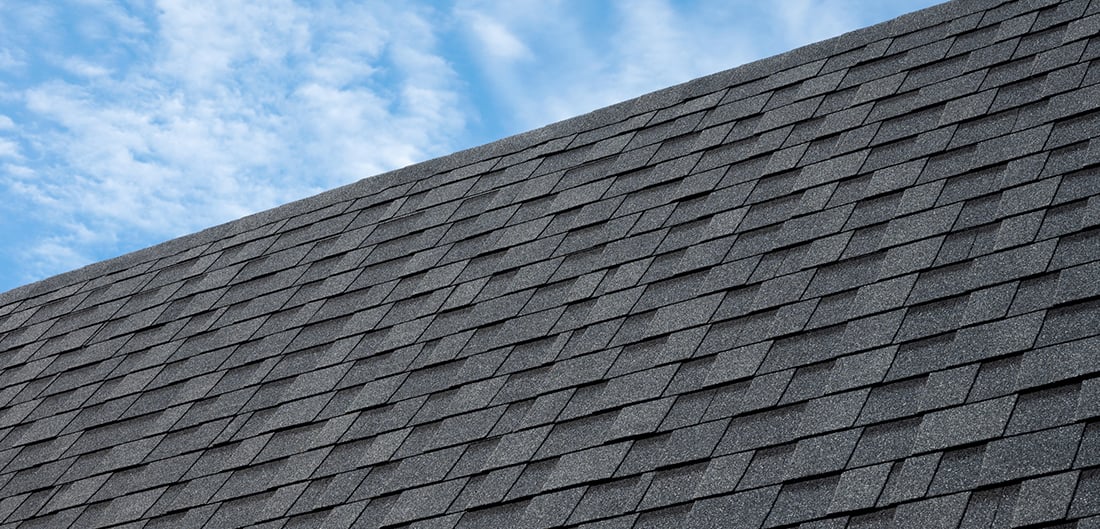
- How’s your roof looking? Have your roof inspected. This is especially important if you notice any leaks or loose shingles or metal. The freezing and thawing that was so common this past winter can create big splits out of small cracks. Read this to check if you have the right insurance coverage to protect your roof.
- Do any ceilings have stains? If your roof is leaking, your ceiling may have a yellow or brown stain. If so, first fix the leak before sealing the stain with a sealer/primer then apply a coat or two of paint. Moisture problems can lead to mold or mildew build-up, so fix them quickly before you have a bigger problem on your hands.
- Are your doors and windows in good shape? Inspect windows and doors. Things to look for on doors include bent or broken hinges, frames or edges. Depending on the extent of the damage, you can either repair or replace the door. Also, check screens for holes before you swap out your storm panels.
- Are there cracks in your driveway? Consider resealing your driveway. A lot of water seeps into driveways during the winter, which can create cracks when it freezes then thaws. If you notice a lot of cracks, consider having it resealed to prevent further cracking.
- Does your deck need some TLC? Seal your deck every few years. If your deck is looking worn-down, have it pressure washed and resealed. Check for loose railings, splintering boards and any loose nails. If you plan to hire a professional to repair and update your deck, use our checklist for hiring the right contactor.
- Does your fence need repaired? Check your fence(s). Repair or replace any loose slats or rot on your fences. Use epoxy to patch up any worn wood. Use these tips for larger fence renovations, too.
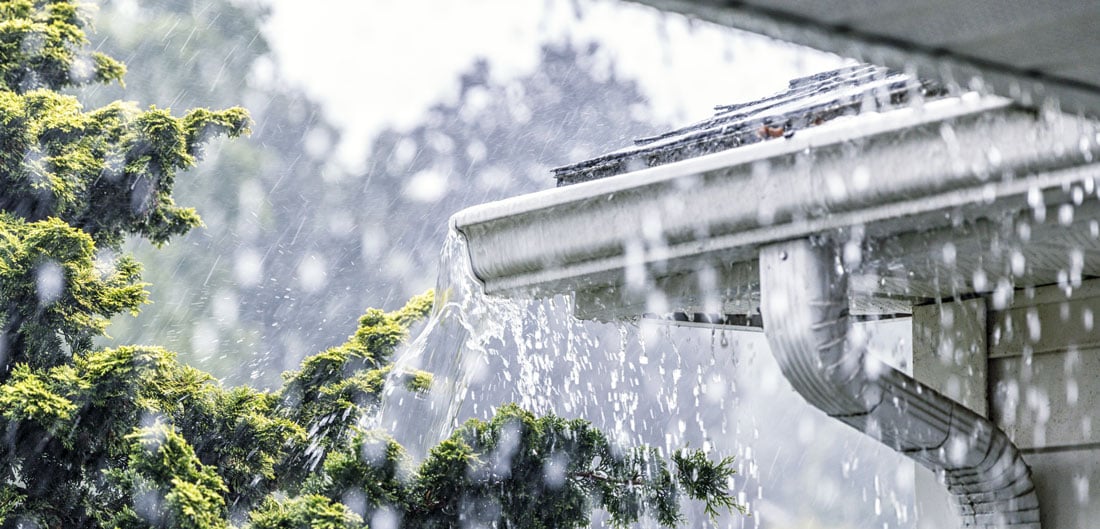
- Did winter leave your gutters clogged? Leaves can weigh things down while ice dams can bend and break gutters. Grab a pair of gloves, a sturdy ladder and a trowel to clear any leaves and debris out. Call a professional if you’re not comfortable doing this on your own. Want more tips? Check out this post on how to clean your gutters.
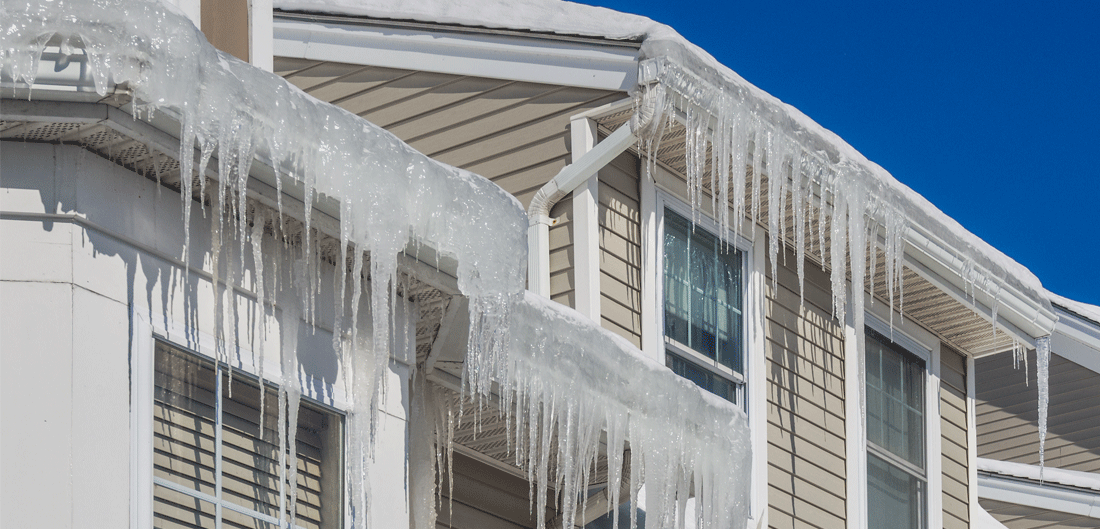
- Did ice dams impact your roof? If you’re dealing with an ice dam and want to try a DIY approach, first remove snow with a long-handled aluminum roof rake. Then fill a pair of pantyhose with calcium chloride ice melter and hang it from your roof so it crosses the ice dam and hangs off the gutter. If that doesn’t melt the ice dam, call a pro—you don’t want to be up on your roof during icy conditions. Learn more in this post on what to know about ice dams.
- Do you need to reseal any openings? Apply caulk to leak-prone areas. Expansion and contraction can cause openings that will let April rains seep in. Seal it up by applying exterior caulk to leak-prone areas like windows and areas of the siding where walls join together.
- Are your spigots in good shape? Inspect outside faucets and hoses. Turn them on to ensure water is still running as it should; if you can stop the flow with your thumb, the water pressure may be too low and a pipe inside your home may need to be fixed.
- Did winter affect your foundation? Look for frost heave. Take a look at your home's foundation for cracked, tilted or displaced concrete floor slabs. After winter, a frost heave could cause your home's foundation to shift. Use these tips to spot and prevent frost heave damage.
How can I help my yard recover from winter?
Your yard goes dormant throughout the winter, and the cold temperatures can seriously wear it down. These questions can help you identify where your yard needs some help.
- How’s your lawn looking? Check for damaged patches of lawn. Salt, plows and disease can do a number on your grass, so use a metal rake to remove any dead or damaged patches.
- When and how short should you cut your grass? Don’t mow too early. Grass needs a chance to reestablish itself, so let it grow reasonably tall before mowing. For the first mow, use the high setting to keep the grass strong. Be sure to take a walk through your lawn beforehand as well, and clean up any branches or debris that blew into your yard during the winter storms.
- Should you overseed your lawn? Yes. Overseeding is the process of planting grass seeds directly into the existing turf. This leads to denser grass with more color variation. Though best done in the fall, you can still get great results by overseeding in the spring. Slit-seeder machines can do the work for you; ask a home supply store specialist for help choosing one.
- What if you’re tired of maintaining your grass lawn? Switch to a new grass alternative. If you’ve been debating abandoning the traditional grass lawn for something with less maintenance, spring and fall are typically the best times to start.
- Do your shrubs and trees need pruned? Spring is ideal for taming overgrown trees and shrubs. Using a pruner, trim trees and shrubs back to their live stems. (For any branches thicker than ½ inch, use a handsaw.)
- When can you start cleaning up your yard? Wait until temperatures are consistently in the 50s. (Wait until the soil warms up in mid- to late-spring before applying a new layer of mulch. If you put it down too early, it will slow the warming process.) Clean up the area around plants. Rake up any leaves, uproot any dead annuals and remove existing mulch a little at a time as the temperatures warm. While in your garden, cut back flowering perennials to a height of four or five inches to allow space for new growth.
- What’s the best way to clean up your walkway? Rake any errant gravel back into place. If you have flagstones, fill new sand or stone dust into the cracks. If stones are looking weathered, consider using a pressure washer to take grime off.
Make sure you take a look at how to help your car recover from winter, too.
What happens if I don’t stay on top of home maintenance?
While it might be tempting (and cheaper in the short term) to push off certain repairs, not tackling them right away can lead to more damage and bigger repair costs in the long run.
For example, not fixing your roof if it has leaks or missing shingles could lead to persistent water leaks that could impact your home’s structural integrity. You could end up replacing not just shingles but wooden beams, repairing ceiling water spots and potentially even addressing mold issues.
Deferred maintenance that a homeowner was aware of but didn’t repair can also result in a denied claim, especially when it comes to claims involving water.
Protect your home with homeowners insurance you can trust
You work hard to invest in your home. At ERIE, we get the emotional and financial importance of your biggest investment – which is why our homeowners insurance goes the distance.
Ask a local ERIE agent about homeowners insurance with 100% Guaranteed Replacement Cost.1 Unlike an actual cash value policy that subtracts for wear and tear and depreciation, Guaranteed Replacement Cost covers the cost to rebuild after a covered loss at current construction costs, especially with the cost of materials continuing to rise.
Learn more about what makes our homeowners coverage different, or find a local ERIE agent to request a quote.
1Guaranteed Replacement Cost applies to covered losses and requires home improvements over $5,000 to be reported within 90 days—not available with all policies and in all states. Coverage of costs to comply with laws or ordinances is subject to limits. Depreciation will be deducted until repair or replacement is completed. Talk to your ERIE agent for more information.